Bug Found.
Action: Step away from the computer.
Result: Victory dance imminent.
Time to dance. But first, work. Here's my process.
1. Spot & Identify
Something broke — a crash, a failed test, a user report, or monitoring alert. First, I understand what type of bug it is: logic error, performance issue, data corruption, or UI glitch? Is it critical, major, or minor? This shapes everything that follows.
2. Record & Triage
Capture the details: exact steps to reproduce, environment (browser, OS, version), expected vs. actual behaviour. Screenshot or log the error. Assign priority and severity so we know if this is urgent or can wait. A clear ticket is a solved ticket.
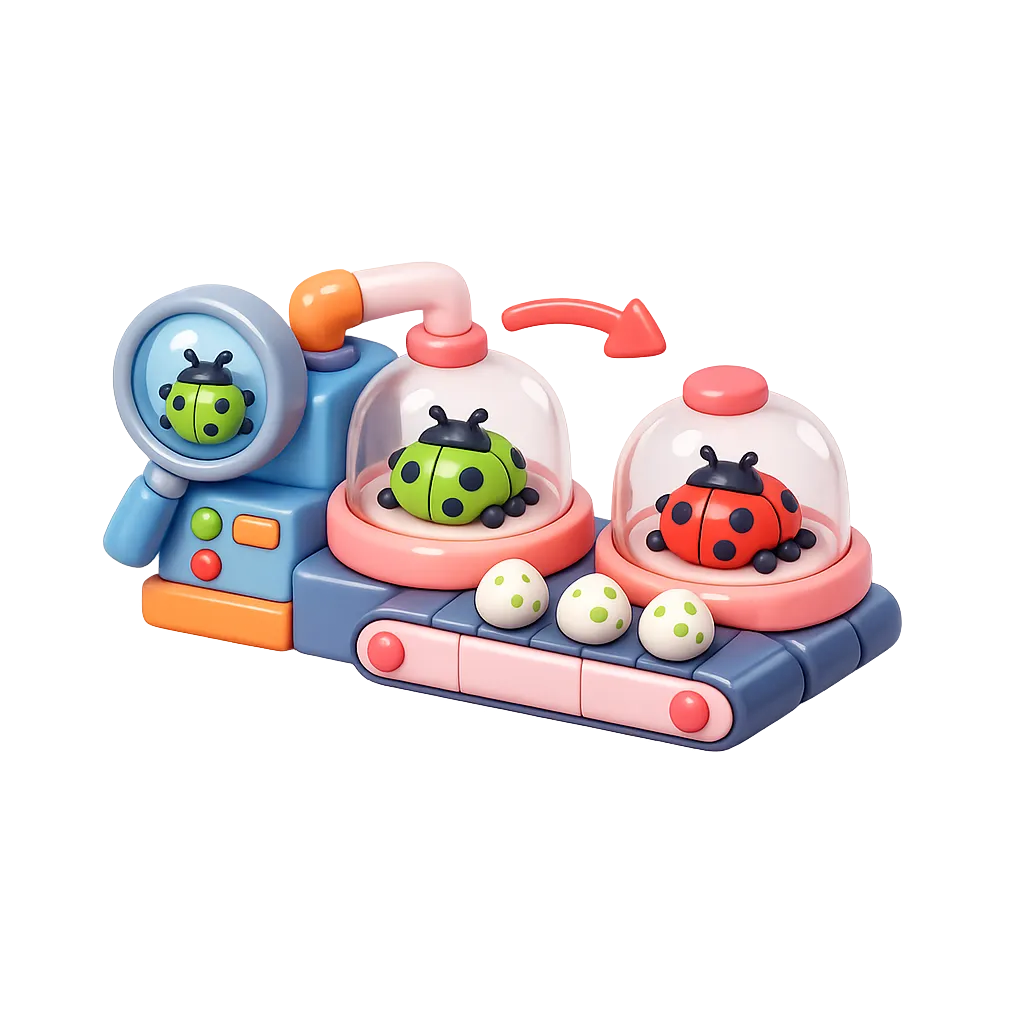
3. Reproduce & Isolate
Can I trigger it consistently? Good — now narrow it down. Is it tied to a specific code path, user action, or environment? Build a hypothesis about the root cause. The tighter I isolate the problem, the faster the fix.
4. Resolve (With Tests First)
I write a failing test that captures the bug, then implement the fix. Tests pass. Manual verification confirms the issue is gone. Peer review, then merge. TDD keeps the fix lean and the codebase safe.
5. Prevent & Monitor
Add regression tests so this bug never comes back. Set up monitoring or alerts if it's critical. Leave breadcrumbs for the next developer. Prevention is the real victory.
I'm not afraid of bugs — they're part of the game. What matters is reproducible evidence, repeatable fixes, and a safety net of tests and CI so we don't reintroduce the same issue later.
Victory dance imminent.